AKANTIOR 0.8 mg/mL eye drops, solution in single-dose container
Download: Listen:
Language: English The consultation of the following contents is free and open. The content of this page corresponds to the latest updated version of the product information leaflet. SIFI S.p.A. guarantees that the information on the safe use of the product contained therein is the most updated.
There are no safety notices on this product.
Package leaflet: Information for the patient
Read all of this leaflet carefully before you start using this medicine because it contains important information for you.
Keep this leaflet. You may need to read it again.
If you have any further questions, ask your doctor or pharmacist.
This medicine has been prescribed for you only. Do not pass it on to others. It may harm them, even if their signs of illness are the same as yours.
If you get any side effects, talk to your doctor or pharmacist. This includes any possible side effects not listed in this leaflet. See section 4.
AKANTIOR contains the active substance polihexanide.
AKANTIOR is used in adults and children from 12 years of age to treat Acanthamoeba keratitis, Acanthamoeba is a parasite (tiny organism that lives inside humans and can cause disease) which can cause an infection resulting in keratitis (inflammation of the cornea, the clear layer in front of the eye). Acanthamoeba keratitis can cause severe defects on the surface of the cornea, including ulcers (open sores).
AKANTIOR damages the membrane (outer skin) of the Acanthamoeba parasite resulting in leakage of the cellular contents which destroys the cell. AKANTIOR also prevents the Acanthamoeba parasite from making copies of its DNA by interfering with enzymes (proteins) responsible for the replication process, which stops the growth and reproduction of the parasite in humans.
Talk to your doctor or pharmacist before using AKANTIOR.
Treatment with AKANTIOR may cause you mild to moderate eye discomfort (such as eye pain) and eye redness. In the case you are experiencing a severe eye reaction, contact your doctor.
There is no experience of using AKANTIOR in pregnant women. AKANTIOR is not recommended during pregnancy. If you are pregnant or breast-feeding, think you may be pregnant or are planning to have a baby, ask your doctor or pharmacist for advice before taking this medicine.
It is unknown whether AKANTIOR passes into breast-milk. Ask your doctor or pharmacist for advice before AKANTIOR treatment.
This medicine contains approximately 0.4 mg phosphates in each drop which is equivalent to 11 mg/mL. If you suffer from severe damage to the clear layer at the front of the eye (the cornea), phosphates may cause in very rare cases cloudy patches on the cornea due to calcium build-up during treatment.
Always use this medicine exactly as your doctor has told you. Check with your doctor if you are not sure.
The treatment consists of two parts: intensive treatment that lasts for the first 19 days and continuation treatment that lasts from day 20. The recommended dose is 1 drop of AKANTIOR in the affected eye as follows:
Starting intensive treatment (19 days)
Apply one drop every hour (16 times a day), for the first five days (days 1 to 5)
Apply one drop every 2 hours (8 times a day), for a further seven days (days 6 to 12)
Apply one drop every 3 hours (6 times a day), for a further seven days (days 13 to 19)
Continuation treatment
Apply one drop every 4 hours (4 times a day), until there is no corneal inflammation or no evidence of infection (cured) Your doctor will advise you when to stop treatment.
Use AKANTIOR as prescribed for best effect. Always tell your doctor if you are thinking about stopping the treatment.
If you have any further questions on the use of this medicine, ask your doctor or pharmacist.
Like all medicines, this medicine can cause side effects, although not everybody gets them. The majority of side effects generally occur at the treated eye. Contact your doctor if you have a severe eye reaction.
The following side effects have been reported: Very common (may affect more than 1 in 10 people)
eye pain
ocular hyperaemia (eye redness)
Common (may affect up to 1 in 10 people)
corneal perforation (damage to the corneal surface)
visual impairment
ulcerative keratitis (inflammation or infection of the cornea)
corneal epithelium defects (defects of outermost corneal layer)
corneal infiltrates (immune response to corneal insult)
punctuate keratitis (small breaks in the surface of the eye)
tearing (watery eyes)
conjunctival hyperaemia (redness of the conjunctiva)
eye inflammation
eye irritation
photophobia (unpleasant eye sensitivity to light)
conjunctival papillae (inside of eyelid gets red, swollen and irritated)
eye pruritus (itchy eyes)
eye discharge
eye swelling
foreign body sensation in the eye
discomfort in the eye
dry eye
conjunctivitis (inflammation of the outermost layer of the eye)
eye infection
condition aggravated (disease worsening)
product intolerance (hypersensitivity to the medicine)
application site reactions such as pain
application site reactions such as discomfort
application site reactions such as pruritus (itching)
persistent epithelial defect (persistent loss of outermost corneal layer after injury)
If you get any side effects, talk to your doctor or pharmacist. This includes any possible side effects not listed in this leaflet. You can also report side effects directly via Yellow Card Scheme (Website: www.mhra.gov.uk/yellowcard or search for MHRA Yellow Card in the Google Play or Apple App Store). By reporting side effects you can help provide more information on the safety of this medicine.
Keep this medicine out of the sight and reach of children.
Do not use this medicine after the expiry date which is stated on the packaging after EXP. The expiry date refers to the last day of that month of the unopened product.
This medicine does not require any special storage conditions.
After opening the sachet, the single-dose containers have to be used within 28 days. After this period, the unused single-dose containers must be discarded.
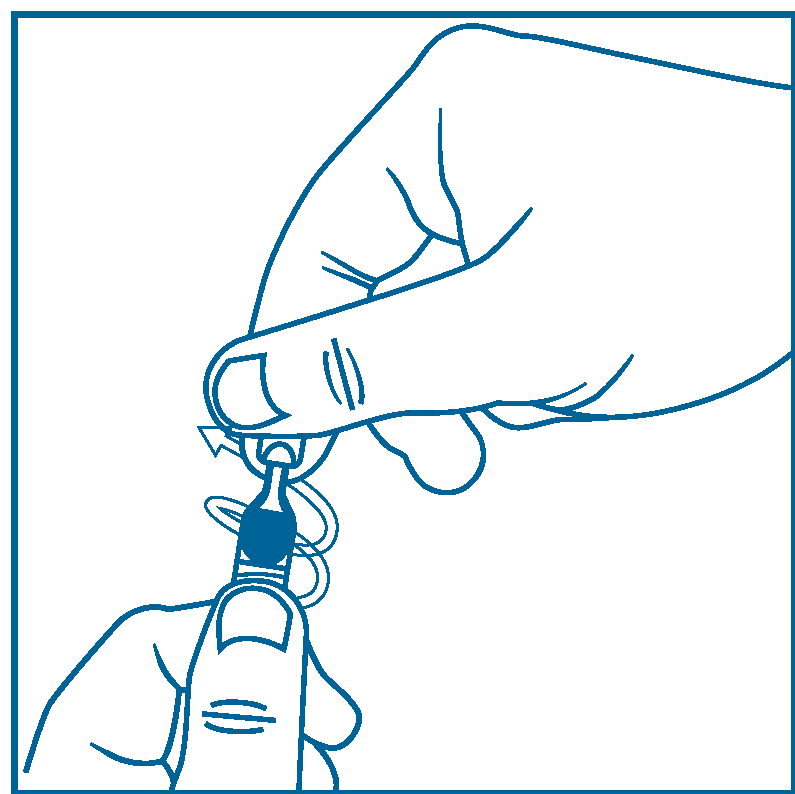
The contents of the single dose container must be used immediately after opening and any remaining content should be discarded.
Do not throw away any medicines via wastewater or household waste. Ask your pharmacist how to throw away any medicines you no longer use. These measures will help protect the environment.
AKANTIOR eye drops, solution in single-dose container (eye drops) is a clear and colourless solution in a single-dose container.
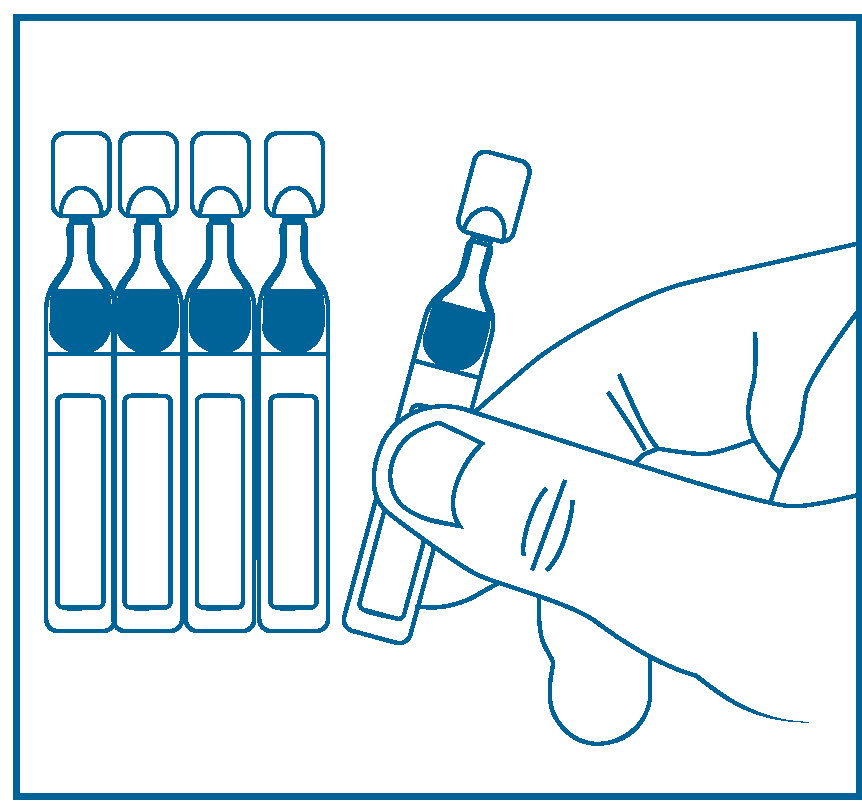
The single-dose containers are moulded in 5 sealed units strip, which in turn are wrapped in a polyester/aluminium/polyethylene sachet and packaged inside a carton box.
Pack sizes:
20 single-dose containers
30 single-dose containers
multipack containing 120 (4 packs of 30) single-dose containers.
Not all pack sizes may be marketed.
Marketing Authorisation Holder and Manufacturer SIFI S.p.A. Via Ercole Patti, 36 95025 Aci Sant’Antonio (CT) Italy
This leaflet was last revised in 04/2025
Detailed information on this medicine is available on the website: www.mhra.gov.uk
Leafleat code: 1G156221R1 DMS:1410 Publication date QR: November 2025
 Listen: